An opportunity can look good on paper, sound amazing in a conversation, yet still come with terms that deserves a second look. Keep reading to discover why understanding the business behind the opportunity matters.
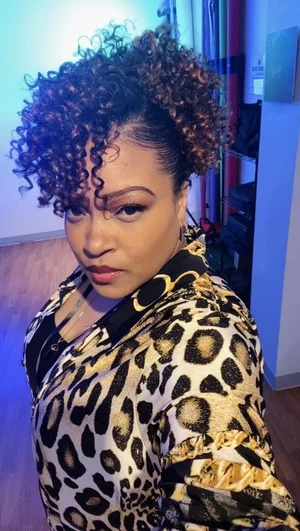
I recently had the pleasure of taking the main stage at Philly Creator Fest as a speaker for the Live Deal Breakdown panel session. The conversation centered on something that is quickly becoming increasingly important in today’s creator economy; understanding the business behind the opportunities we not only pursue but are granted.
We often talk about getting the deal, securing the brand partnership, landing the opportunity, increasing visibility, and getting paid. We celebrate the announcement, the campaign, the check, and the access that comes with being in the room. But how often do we stop to examine what actually comes with the opportunity? That was the question at the heart of the panel discussion.
Don’t Let the Excitement of the Opportunity Overshadow the Details.
For creators, entrepreneurs, and independent professionals, opportunities can represent much more than a financial transaction. They can mean exposure, credibility, access to new audiences, professional relationships, and the potential for future business. When an opportunity that you’ve been working toward finally presents itself, it’s understandable to feel excited. And you should! You have put in the work. But let’s take a moment to slow down and pause.
Never let excitement replace evaluation.
Some questions to ask:
What are you agreeing to?
How will your content be used?
Are there exclusivity restrictions?
What does the compensation actually cover?
Are there deadlines, deliverables, cancellation provisions, or additional obligations that could affect your ability to work with someone else?
These are not insignificant details, but rather are business considerations. While a deal can be financially attractive, it can still be unfavorable depending on the obligations attached to it. Likewise, an opportunity that initially appears modest may offer meaningful value when the terms, relationship, and long-term possibilities are considered.
The point is not to make you approach every opportunity with skepticism, but to approach every opportunity with an understanding of what you’re agreeing to.
Money is Only One Part of the Deal.
Your Creativity Doesn’t Exempt You from Understanding Business.
One of the things I find particularly interesting about the creator economy is how many talented individuals are building businesses without necessarily having been taught the business fundamentals that support them.
Creators are becoming entrepreneurs. Entrepreneurs are becoming brands. Personal brands are becoming businesses with revenue streams, partnerships, intellectual assets, and increasingly complex commercial relationships.
Yet many people are navigating these arrangements without fully understanding the language, expectations, or implications of the agreements they sign. That’s not necessarily a reflection of a lack of intelligence or business acumen. More often than not, it’s simply a gap in access to information.
You can be exceptionally talented at creating content, building an audience, developing a brand, or producing something that people want to pay for without knowing how to evaluate a licensing provision, negotiate a deliverable, or identify an unfavorable contractual term. But both skills matter. Your creative ability may get you in the room. Your business knowledge helps you make informed decisions about what happens once you’re there.
This is why I believe business education should be an integral part of the creator conversation. We should be talking just as much about understanding agreements and negotiating terms as we do about securing brand partnerships and increasing engagement.
Negotiation is Not About Being Difficult.
It’s About Being Intentional.
Another important takeaway from the session is that negotiation should not be viewed as an uncomfortable confrontation or an attempt to get something over on the other party.
In my experience as a transactional attorney for over a decade, if I’ve learning nothing else, I’ve learned this; negotiation is a business conversation.
It is an opportunity to clarify expectations, communicate your value, establish reasonable boundaries, and arrive at terms that make sense for everyone involved. Sometimes, the right decision is to accept an opportunity as presented. Sometimes it’s to negotiate certain provisions. And sometimes, walking away is the most valuable business decision you can make.
The important thing is knowing the difference.
You don’t have to accept every opportunity simply because it comes with a recognizable brand, an attractive payment, or the promise of exposure. You also don’t have to reject an opportunity simply because every term isn’t initially aligned with your expectations.
There is room for conversation, and this comes from you understanding what matters to you, what you’re willing to negotiate, and where your boundaries exist. This gives you a much stronger position when evaluating opportunities.
The Importance of Making Knowledge Accessible.
Beyond the subject matter itself, one of the most rewarding aspects of participating in Philly Creator Fest was the opportunity to teach. As someone with a background in transactional law, business affairs, writing, and creative strategy, I’ve always appreciated the intersection of knowledge and practical application.
I particularly enjoy taking concepts that may seem complicated or inaccessible and breaking them down in a way that encourages people to think differently about their decisions. That’s what made the Live Deal Breakdown panel session such a meaningful experience. It wasn’t about simply standing on a stage and talking about contracts, pitching to brands, or talking about what brands look for. It was about creating a conversation around real-world situations that creators and entrepreneurs may encounter, encouraging them to consider their options, and giving them information they could take with them long after the event ended.
I was reminded that teaching doesn’t always happen in a classroom. Sometimes it happens through a conversation, a scenario, a question that challenges someone’s assumptions, or a practical example that suddenly makes everything click.
And I love that.
Speaking and teaching allow me to bring together different parts of my professional experience while creating something useful for other people. They give me an opportunity to share not only what I know, but also how I think, how I approach problems, and how I translate knowledge into action. That is something I want to continue cultivating.
A Different Kind of Success in The Creator Economy.
As the creator economy continues to evolve, I would love to see more conversations about sustainability, ownership, business literacy, and long-term value.
Visibility is important.
Relationships are important.
Revenue is important.
But so is understanding the infrastructure behind the business you’re building.
Ask yourself:
Are you building relationships that create lasting opportunities?
Are you negotiating arrangements that reflect the value of your work?
Are you paying attention to the terms that could affect your future earning potential?
Are you making decisions that support where you want your business to go?
These are questions worth asking before the excitement of an opportunity takes over, because success isn’t simply about how many opportunities you secure. It’s also about the quality of the decisions you make along the way.
The Takeaway: Don’t Let the Bag Blind You.
If there is one thing I hope people take away from this conversation, it’s that you can be excited about an opportunity and still take the time to evaluate it. You can appreciate the brand, celebrate the partnership, and recognize the financial value while also asking questions, requesting clarification, and negotiating terms.
You do not have to choose between being creative and being business-minded. You need both. But don’t fret, because you don’t have to know everything. However, you should know enough to recognize when something deserves a closer look and when it’s time to seek the right guidance.
I’m grateful to Philly Creator Fest for the opportunity to bring this conversation to the main stage. More importantly, I’m encouraged by the opportunity to continue creating spaces where creativity, business knowledge, and practical education intersect.
Because ultimately, the goal isn’t just to get the bag. It’s to understand the business, make informed decisions, and build something that lasts.
And that is a conversation worth continuing.